
Direct Answer
Multi-supplier consolidation in China means collecting products from different factories or suppliers, checking the shipment information, combining compatible cargo and exporting it as one coordinated shipment. It can reduce fragmented communication, improve cargo visibility and make international shipping easier to quote, but it requires accurate supplier timing, packing lists, labels and package measurements.
Why do importers consolidate cargo from multiple Chinese suppliers?
Many overseas buyers source from several Chinese suppliers at the same time. One factory may produce furniture, another makes accessories, and a third supplies replacement parts or packaging materials. If each supplier ships separately, the buyer may face multiple pickups, separate export shipments, repeated destination charges and more communication work.
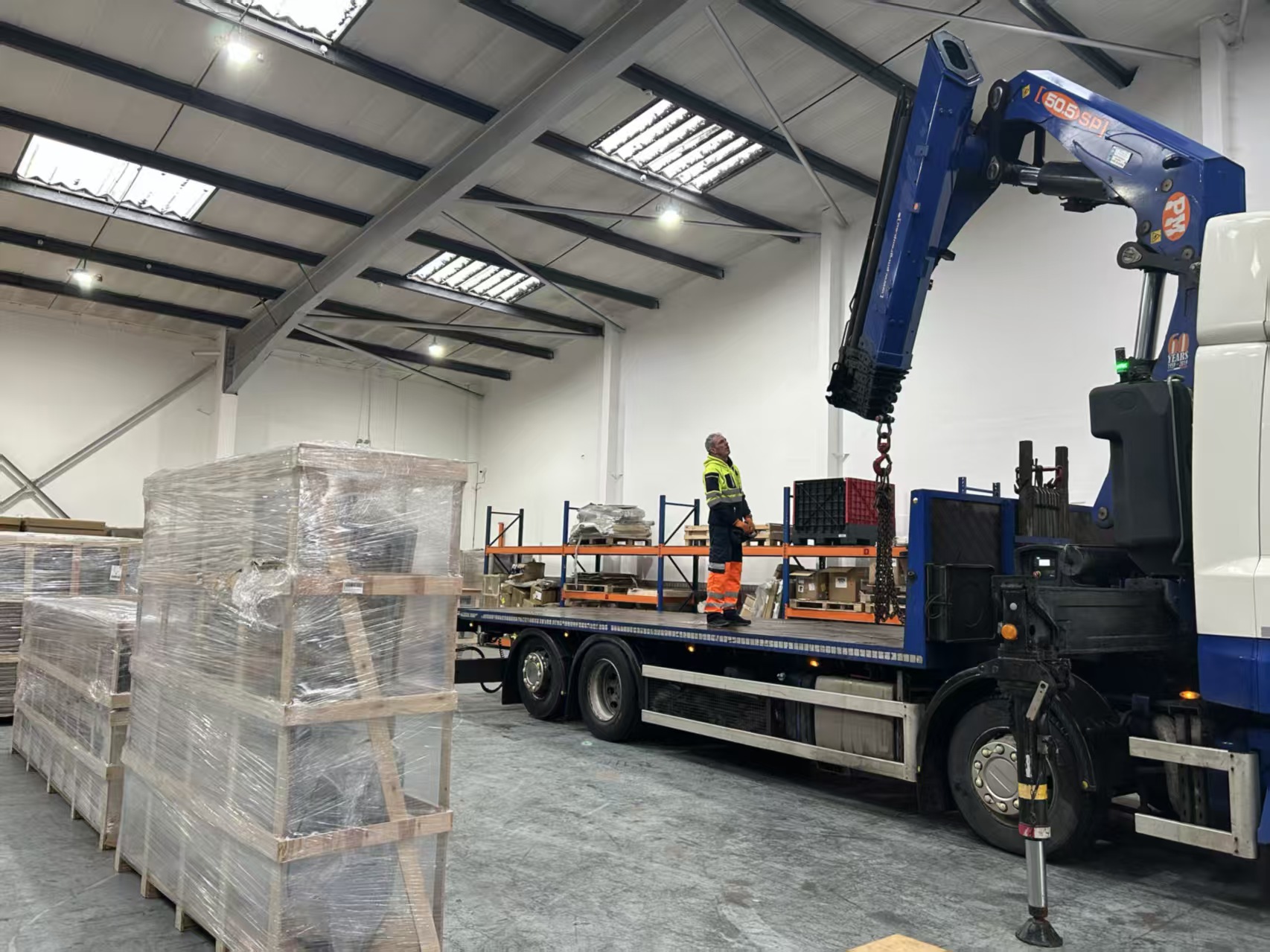
China-side consolidation gives the importer a practical checkpoint before international shipping. Cargo can be collected from suppliers, received into a warehouse, counted against supplier information, checked for visible packaging issues and combined for export. The goal is not to create unnecessary handling. The goal is to reduce fragmented shipments when one coordinated plan is more efficient.
When does multi-supplier consolidation make sense?
| Scenario | Why consolidation helps | What to confirm first |
|---|---|---|
| Several small suppliers | Combines cargo into one shipment instead of several small exports | Ready dates and package details from each supplier |
| Amazon FBA replenishment | Allows carton handling, labels and shipment grouping before delivery | FBA shipment plan and labeling requirements |
| Mixed furniture or machinery parts | Improves packing review and shipment visibility | Package strength, dimensions and compatibility |
| LCL ocean freight | Can improve CBM planning and document control | Whether cargo can safely move together |
| Project cargo | Coordinates suppliers around one delivery schedule | Critical parts, installation timing and destination access |
How does supplier consolidation work?
1. Build the supplier cargo list
The buyer should create a supplier list with company name, contact person, pickup city, cargo description, carton count, packed dimensions, gross weight, cargo value and ready date. If any supplier cannot provide final package details, the consolidation quote should be treated as an estimate.
2. Arrange China pickup or supplier delivery
Cargo may be picked up from each supplier or delivered by suppliers to the consolidation warehouse. The plan depends on pickup city, package size, ready date and local truck access. For remote suppliers, pickup cost and timing should be confirmed separately.
3. Receive and check cargo at warehouse
Warehouse receiving can confirm visible carton count, external packaging condition, marks and basic shipment information. A shipment inspection is limited to visible checks unless a deeper inspection is specifically arranged. The warehouse should not be expected to verify product quality, technical performance or hidden damage inside sealed packaging without a defined inspection service.
4. Prepare labels, pallets or export packaging
Depending on the destination, cargo may need labels, palletizing, outer-carton marks or package reinforcement. For Amazon FBA, the seller should follow account-specific shipment instructions and confirm whether the forwarder is asked to support labeling or appointment delivery.
5. Export as one coordinated shipment
After receiving supplier cargo, the forwarder can prepare the consolidated packing information, recommend air, ocean, express or DDP routing and coordinate export. For U.S. import, commercial invoice accuracy and product descriptions remain important. Buyers can reference CBP import guidance for general import responsibilities.
Need to Consolidate Multiple Chinese Suppliers?
Send your supplier cities, cargo list, package count, dimensions, weight and destination. Our team can help review whether consolidation should happen before export and what details must be checked.
Send Your Supplier ListCompare DDP quote risksWhat are the main benefits of consolidation?
Consolidation can improve communication because the buyer coordinates with one logistics team instead of several separate shipment channels. It can also improve shipment visibility because cargo is received and grouped before export. For LCL or DDP shipments, consolidation may help create a cleaner packing list and a more complete freight quotation.
Another benefit is problem prevention. If one supplier has weak packaging or missing marks, the issue can be found before international shipment. That does not guarantee cargo condition, but it gives the buyer a better chance to correct visible problems while the goods are still in China.
What risks should be managed?
Common risks include late supplier cargo, incomplete packing lists, mixed product descriptions, weak packaging, missing labels, inaccurate dimensions and unclear ownership of rework cost. If one supplier is late, the buyer must decide whether to wait, split the shipment or ship ready cargo first.
Supplier consolidation checklist
- Supplier name, address and contact person
- Ready date for each supplier
- Product name and product application
- Carton, pallet or crate count
- Packed dimensions and gross weight
- Commercial invoice value for each supplier
- Photos of packaging and cargo marks
- Destination address and delivery type
- FBA shipment labels if applicable
- Any inspection, labeling, palletizing or repacking request
When should cargo not be consolidated?
Consolidation may not be suitable when the cargo is incompatible, fragile, hazardous, temperature-sensitive, extremely urgent or already packed for direct container loading. It may also be unsuitable when suppliers have very different ready dates and the buyer cannot wait.
The operational takeaway is that multi-supplier consolidation in China is most useful when it reduces complexity and improves shipment control. It should not be used automatically for every order.
How does consolidation affect the freight quotation?
Consolidation can change the quotation in several ways. It may reduce duplicated pickup and export handling when many small supplier shipments become one coordinated export. It may also create extra warehouse receiving, checking, storage, labeling or palletizing charges. The correct comparison is not “one supplier shipment versus consolidation” in isolation. The correct comparison is total landed cost and operational control.
For ocean freight, consolidation can make LCL planning clearer because the forwarder can calculate combined CBM after receiving all supplier packages. For FCL, consolidation may help decide whether the buyer has enough cargo for a container or should wait for additional goods. For air freight, consolidation can reduce scattered courier shipments, but the chargeable weight must still be checked after final packaging.
Good Logistics should receive the supplier list before quoting when possible. If supplier cargo is not ready, the quote should identify which values are estimated and which values are confirmed. This prevents buyers from treating an early planning estimate as a final booking price.
How should documents be controlled when several suppliers are involved?
Document control becomes more important when multiple suppliers are included in one shipment. Each supplier may use different product descriptions, invoice formats, carton marks and packing-list details. The buyer should collect supplier invoices and packing information early, then check whether product names, quantities, values and package counts are consistent.
If the shipment is going to the United States, the importer should be aware that customs information must be accurate. A consolidation warehouse can help organize package counts and visible marks, but it cannot decide legal classification or import compliance on behalf of the buyer. Customs-sensitive questions should be reviewed with qualified professionals.
A simple document-control habit helps: assign each supplier a code, ask them to mark cartons clearly, and keep a master spreadsheet showing supplier, product, quantity, package count, dimensions, gross weight and invoice value. This gives the logistics team a single reference when cargo arrives at the warehouse.
What can a consolidation warehouse check, and what can it not check?
A warehouse can usually check visible package count, outer carton condition, shipping marks, basic label presence and whether the cargo received matches the supplier information. If requested and available, the team may help with photos, palletizing, labeling or packaging review. The exact service scope should be confirmed before cargo arrives.
A warehouse cannot automatically guarantee product quality, technical function, internal condition of sealed cartons or compliance with destination-country regulations. If the buyer needs factory testing, product inspection, function testing or certification review, that should be arranged as a separate service with a clear checklist.
This distinction protects the buyer and the logistics team. Supplier consolidation is a logistics control process. It is not the same as full product quality assurance unless the buyer orders that service specifically.
How should buyers manage supplier timing?
The most common consolidation problem is uneven supplier readiness. One supplier may finish production this week, while another supplier needs ten more days. The buyer should decide in advance how long ready cargo can wait, whether storage cost is acceptable and whether urgent items should ship separately.
A practical timing plan includes three dates for each supplier: expected production completion, expected packaging completion and earliest pickup date. If the cargo is for Amazon FBA or a project installation, the buyer should also set the required destination date. This helps the forwarder decide whether ocean freight, air freight, express or a split shipment is more realistic.
How do labeling and palletizing affect consolidated cargo?
Labels and palletizing should match the destination requirement. Amazon FBA cargo may need shipment labels and carton labels that align with the seller account. Commercial warehouse cargo may need purchase-order marks, carton numbers or pallet labels. Project cargo may need installation sequence marks so the destination team can identify critical parts quickly.
Palletizing can protect cartons and make handling easier, but it can also increase CBM. For fragile or heavy goods, palletizing may be worthwhile. For lightweight goods, it may add unnecessary volume. The forwarder should explain how palletizing affects the freight method and quote.
Common consolidation mistakes to avoid
- Asking for a final quote before suppliers confirm packed dimensions.
- Allowing suppliers to use unclear carton marks.
- Mixing urgent and non-urgent cargo without a split-shipment plan.
- Assuming warehouse receiving is the same as product quality inspection.
- Ignoring storage cost when one supplier is late.
- Shipping to Amazon FBA without current labels and shipment instructions.
- Combining fragile cargo with heavy cargo without packaging review.
- Failing to match supplier invoices with the master packing list.
These mistakes are avoidable when the buyer treats consolidation as a structured project. The forwarder needs supplier information early, and the buyer needs a clear decision rule for late cargo, damaged packaging or missing labels.
Frequently asked questions
Can Good Logistics pick up from several suppliers in China?
Good Logistics supports nationwide supplier pickup coordination in China. The feasibility and cost depend on supplier city, package size, ready date and truck access.
Does consolidation reduce shipping cost?
It can reduce duplicated shipment handling, but it is not always cheaper. Consolidation adds warehouse receiving and handling, so the buyer should compare total landed cost rather than one freight line.
Can products from different suppliers share one commercial invoice?
Commercial documentation depends on the buyer, seller structure and import requirements. The importer should confirm invoice handling with the supplier, forwarder and qualified customs adviser.
Can the warehouse inspect product quality?
Basic receiving checks can confirm visible package count and external condition. Product quality inspection requires a defined inspection service and should not be assumed as part of ordinary consolidation.
Is consolidation useful for Amazon FBA?
Yes, consolidation can help Amazon sellers group products, prepare labels and coordinate delivery. The seller should provide FBA shipment details and follow Amazon account instructions.
What if one supplier is late?
The buyer can wait, split the shipment or export ready cargo first. The best option depends on urgency, storage cost, destination requirement and whether missing items are critical.
Conclusion
Multi-supplier consolidation helps importers turn scattered supplier orders into a clearer export shipment. The key is disciplined information control: supplier lists, package measurements, photos, ready dates, invoice values and destination requirements. With the right planning, consolidation can reduce communication friction and make international shipping from China easier to manage.
External sources and references
Maintenance note
Review this article periodically for freight terminology, customs references, Amazon FBA receiving expectations, Good Logistics service coverage, CTA details and contact information. Customs-sensitive wording should be reviewed by a licensed customs broker or qualified adviser before final publication in a regulated context.
Editorial note
Drafted with AI assistance using provided Good Logistics materials and public logistics references. Good Logistics should review final service coverage, customs-sensitive statements and operational wording before using the content as a formal policy statement.
Related articles in this cluster
How to Ship Oversized Cargo from China to the USA: A Practical Importer Guide
This pillar guide targets importers with large, heavy or difficult-to-handle cargo and explains the planning details that should be confirmed before booking.
DDP Shipping from China to the USA: What Should Be Included in a Freight Quote?
This supporting guide helps buyers compare door-to-door DDP quotations and avoid unclear scope, hidden charges and compliance misunderstandings.
Ready to Ship from China to the USA?
Tell us your cargo type, destination and timeline. Good Logistics Co., Ltd. will recommend the right solution — including oversized cargo, Hawaii, Alaska and Puerto Rico.
Get a Shipping QuoteResponse within 12 hours · Email or WhatsApp